








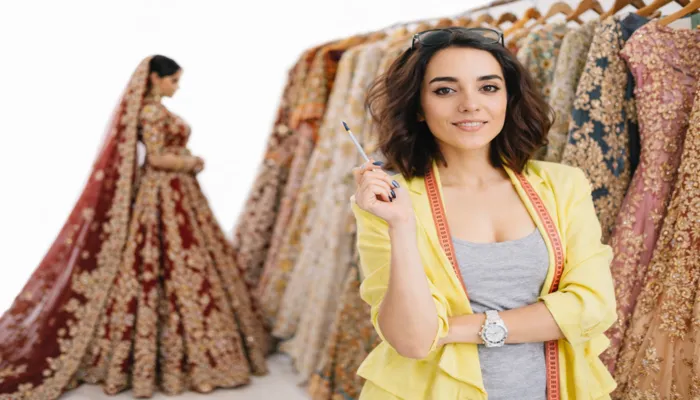
Discovering Traditional Indian Bridal Wear Across Regions 🌸🎉
Hey beautiful brides-to-be, bridesmaids, and all the shaadi lovers out there!
Ready to dive into the vibrant world of traditional Indian bridal wear? From regal lehengas in Punjab to elegant Kanjeevarams down South, India’s wedding fashion is as diverse as its culture, and each region brings its own magic to bridal style.
Whether you're planning to walk the aisle in a Patiala suit, flaunt a North-Eastern handloom, or twirl in a Rajasthani lehenga, this guide is your one-stop lookbook for all things bridal and beautiful across the Indian subcontinent.
Weddings in India are nothing short of a grand affair, and your outfit deserves the same energy. If you're getting married in the coming months, it’s the perfect time to start curating your dream wardrobe, and trust us, we’ve got it all covered.
Bridal Wear From Different Regions Of India
- Jammu & Kashmir
Kashmiri brides traditionally wear heavy lehengas in vibrant shades like red and maroon colors considered auspicious and symbolic of happiness and prosperity. The look is beautifully contrasted with intricate jewellery, adding a royal touch to the overall attire.
- Assam
Brides from Assam shine in the graceful Mekhela Chador, a traditional two-piece garment. The Mekhela (bottom) resembles a flared skirt, while the Chador is a long drape wrapped around the upper body. Often made from Muga or Pat silk, this attire is both elegant and rooted in cultural pride.
- Meghalaya
Reflecting the rich Naga cultural influence, brides in Meghalaya often drape a shawl adorned with symbolic motifs. The patterns represent strength, prosperity, and community, making the outfit not just stunning but also meaningful.
- Arunachal Pradesh
Brides from Arunachal Pradesh wear a unique and elegant traditional outfit a sleeveless kameez paired with a long, embroidered jacket featuring full-length sleeves. The attire beautifully reflects the state’s tribal richness and cultural identity, blending heritage with grace.
- Tripura
In Tripura, the iconic bridal outfit is the Rignai a vibrant, knee-length cloth wrapped around the bride’s waist. It's part of a traditional three-piece attire that includes the Rignai, Risa, and Rikutu. Each element carries deep cultural significance and showcases Tripura’s rich textile and weaving traditions. The colorful patterns and handwoven designs make this truly stand out.
- Manipur
In Manipur, Meitei Hindu brides wear the stunning Potloi (also known as Pollai) a beautifully crafted, cylindrical-shaped skirt made from thick, structured fabric. It’s richly adorned with satin, mirror work, and glittering embellishments, giving the bride a regal and traditional appearance that stands out with elegance.
- Mizoram
Mizo brides keep it classy and cultural with the traditional Puan a handwoven wrap-around skirt paired with a matching blouse. These garments are often designed with bold stripes and intricate patterns in earthy tones, reflecting the simplicity and charm of Mizo heritage. The bridal look is usually completed with minimal jewellery and fresh floral accessories, embracing grace in its purest form.
- Nagaland
The culturally rich Naga bridal attire centers around the beautifully woven Mechala, a traditional shawl that holds deep ancestral significance. Adorned with intricate patterns and tribal symbols, the Mechala isn’t just clothing it’s a powerful expression of identity, heritage, and pride.
This handcrafted ensemble turns a simple bridal look into a statement of culture, tradition, and elegance, making every Naga bride look like a walking piece of art.
- Sikkim
The traditional bridal attire of Sikkim is the Bakhu a warm, robe-style outfit that perfectly suits the cold Himalayan climate. Popular among both men and women, the Bakhu is often paired with a silk blouse and a belt around the waist for a structured yet elegant look. It’s an integral part of Sikkimese culture, making it perfect for mountain brides.
- Himachal Pradesh
Himachali dresses are not just visually stunning but also rich in heritage and comfort. When it comes to bridal wear, expect vibrant colors, elegant embroidery, and timeless silhouettes. Brides often opt for bright hues paired with bold, contrasting dupattas. To elevate the look, heavy traditional jewellery, like silver headpieces and ornate necklaces, adds a royal Himachali touch that’s hard to miss.
- Punjab
Red lehengas or salwar kameezes are commonly adorned with accessories like parandi, heavy chooda, and embroidered dupattas. While some Punjabi brides wear sarees, it's more of a modern twist than a cultural norm. Red, the classic bridal shade, symbolizes love, strength, and prosperity perfect for the joyous spirit of Punjabi weddings.
- Haryana
Bridal wear in Haryana is all about vibrant colors and traditional charm. Brides usually opt for bright-colored sarees or lehengas, often in bold reds, oranges, and pinks that reflect joy and celebration. The colorful splashes in the attire mirror the vibrant spirit of Haryanvi culture, adding life and energy to the entire wedding vibe.
- Uttarakhand
Traditional bridal wear in Uttarakhand features a classic red ghaghra, beautifully paired with stunning gold jewellery. Signature pieces like the nath (nose ring), maang tikka, guloband (choker), and kamarband (waist belt) come together to create a look that’s both regal and deeply rooted in tradition.
When worn together, these elements don’t just enhance the bride’s beauty they add elegance, grace, and a strong touch of cultural significance to her big day.
- Uttar Pradesh
Sarees hold a deep-rooted cultural significance in Uttar Pradesh and are cherished by women for every important occasion. However, when it comes to Bridal wear, lehenga cholis take center stage and are considered especially auspicious.
With rich fabrics, intricate embroidery, and traditional silhouettes, lehengas offer brides the perfect blend of elegance and grandeur, giving them the dream look they deserve on their big day.
- Rajasthan
Rajasthani brides exude royal charm in vibrant lehenga cholis adorned with intricate gotapatti, mirror work, and heavy embroidery. Rich colors like red and maroon symbolize prosperity, while the traditional odhani adds grace.
The look is elevated with statement jewellery like the borla, aad necklace, and choodas creating a bridal style that’s regal, bold, and rooted in tradition.
- Bihar
Bihari brides look radiant in traditional Banarasi or Madhubani sarees, known for their rich weaves and cultural motifs. These sarees are often in shades of red or maroon, considered auspicious for new beginnings.
A key element of the bridal look is the “maang tikka” or “matha patti”, along with the “mukut” or crown-like headgear, as seen in many Maithili weddings. This beautifully ornate headpiece adds a divine, regal touch, completing the bride’s traditional ensemble with elegance and grace.
- Gujarat
Gujarati brides typically wear vibrant Panetar or Gharchola sarees, usually in shades of red and white, symbolizing purity and prosperity. These sarees are often embellished with zari work, bandhani patterns, and traditional motifs. The bridal look is completed with heavy gold jewellery and a unique draping style that adds both elegance and cultural flair.
- Madhya Pradesh
Brides in Madhya Pradesh often wear the traditional ghaghra choli a flared skirt paired with a fitted blouse and a graceful dupatta. These outfits are beautifully embellished with intricate mirror work, bead detailing, and rich embroidery that adds a vibrant, festive appeal.
- Chhattisgarh
Brides in Chhattisgarh wear traditional Lugda sarees with tribal draping styles, often in vibrant silks or cotton. The look is paired with handcrafted jewellery like coin necklaces and borla, adding an earthy, cultural charm to the bridal vibe.
- Jharkhand
Tussar silk sarees are a bridal favourite in Jharkhand, known for their rich texture, intricate embroidery, and cultural elegance. Apart from sarees, traditional outfits like Panchi (upper garment) and Parhan (lower garment) are also popular, reflecting the tribal heritage with grace and pride.
- West Bengal
A Bengali bride stuns in a classic red and gold Banarasi saree, adorned with intricate zari work. Red symbolizes fertility and prosperity, while gold reflects wealth and grandeur, together creating a timeless, regal bridal look that’s hard to miss.
- Odisha
Brides in Odisha traditionally wear a yellow saree with red borders, known as Boula Patta. This attire symbolizes purity, prosperity, and the beginning of a new chapter. The vibrant yellow signifies positivity and happiness, while red adds a touch of tradition and auspiciousness, making it a perfect pick for sacred nuptials.
- Telangana
Telangana brides embrace timeless elegance by wearing rich Kanchipuram or Pattu sarees, woven with pure silk and intricate gold zari work. These sarees not only exude luxury but also reflect deep-rooted South Indian traditions. Paired with temple jewellery and fresh flowers, the bridal look is nothing short of regal and divine.
- Maharashtra
Maharashtrian brides often wear traditional Paithani silk sarees in shades of green or yellow, beautifully contrasted with rich red embroidery. The look is often paired with a classic bun, adorned with pearls and fresh flowers, radiating elegance, tradition, and understated bridal charm.
- Andhra Pradesh
Brides in Andhra Pradesh often wear pure silk sarees in white with red or maroon borders a combination that symbolizes peace, purity, and auspicious beginnings. When paired with traditional gold jewellery, especially temple-style pieces, the look becomes timeless. Kanchipuram silk sarees are also a popular choice, and when styled right, they elevate the bride’s beauty to divine levels.
- Karnataka
Karnataka brides dazzle in iconic Mysore silk sarees, known for their rich textures and vibrant hues. These sarees radiate grace and tradition, effortlessly transforming a bride into a goddess-like figure. The smooth silk, paired with gold borders and minimal yet elegant jewellery, enhances the bride’s charm, making her look every bit ready to begin a beautiful new chapter.
- Tamil Nadu
Tamil brides grace their big day in rich Kanchipuram silk sarees, woven with intricate gold zari work that reflects elegance, tradition, and timeless beauty. These sarees are not just garments they’re heirlooms, symbolizing heritage and purity. Paired with temple jewellery and a bold bindi, the bridal look is pure South Indian royalty.
- Kerala
Kerala brides look ethereal in traditional Kerala white sarees with golden borders, often referred to as Kasavu sarees. Some also opt for rich Kanchipuram or Pattu sarees for a more royal touch. Paired with temple jewellery, jasmine-adorned hair, and a soft gold glow, the look is pure grace rooted in simplicity and tradition.
Wrapping Up,
Each bridal outfit beautifully reflects India’s rich cultural diversity and deep-rooted heritage. From fabric choices to embroidery styles, every look carries the story, tradition, and craftsmanship of its region.
After going through this guide, you’re now equipped with the inspiration and insight you need to choose your perfect bridal ensemble. And if you're on the hunt for the best bridal wear designers to bring your dream look to life, Wed.in 💍has you covered.
Let tradition meet trend, and you rock your big day like a queen.



Comments
Login & Write comment